Think Your Plant Is Too Small for Robots? Get the Facts, Not the FOMO
You are not imagining it.
Most automation stories are written for companies with campuses, not cramped production rooms. You see million-dollar installs, glossy case studies, and vendors speaking in acronyms while you’re juggling overtime, quality holds, and a crew that’s already stretched thin.
The last time you asked around, automation sounded like a reckless gamble. Huge upfront costs. Long payback periods. So the thought naturally followed: Nice toys. But not for us.
That assumption no longer holds.
This Verdusco Automation article walks you through what practical, right-sized automation actually looks like in smaller facilities. You’ll see how far low-cost cobot integration can take you today and why knowing how to pick an automation contractor without getting oversold is one of the most important decisions you’ll make.
What Automation Actually Looks Like Outside the Fortune 500
In most small and midsized plants, automation does not start with a full “lights‑out” line. It starts with one stubborn bottleneck:
The end-of-line packing station that never keeps up.
The manual labeling step always runs late.
Or the tedious kit assembly table where your best operator is stuck all day.
Many manufacturers are discovering that robots and simple automation cells let them target these pinch points without ripping out entire lines.
For a supplement manufacturer, that might mean automating bottle packing at the end of the line. A compact robotic arm picks bottles from a small infeed, presents them for capping or labeling, and places them on a takeaway conveyor. The operator monitors a clean touchscreen instead of scribbling counts on a clipboard.
For a cosmetics startup, it could be stabilizing a filling step so batches stay consistent, even when staffing changes week to week.
Your first move toward this reality is not to buy a robot but to start a conversation.
Identify one repetitive task that slows your team every single day. Think of the step where shoulders slump, errors creep in late in the shift, or customer apologies start piling up. Write that task on a sticky note. That is where your modular automation project often starts, and it is the anchor that keeps your scope (and costs) under control.
Low-Cost Cobot Integration: Where Smaller Plants Can Start Today
For many smaller plants, low-cost cobot integration is the most practical way to dip a toe into robotics without upending operations.
Collaborative robots are designed to work near people, have user-friendly interfaces, and often require minimal guarding, which lowers both hardware and installation costs. High-mix, low-volume manufacturers are a sweet spot for cobots because they can be re-tasked quickly as products change.
A typical cobot project today often costs less than one year of fully burdened labor for a single repetitive role. There’s no major civil work, no custom steel everywhere, and no weeks of shutdown.
Many cobots arrive preconfigured, ready to be mounted on mobile bases or existing benches, and run on standard power. Integration is often measured in days, not months. In many cases, the full process takes less than a week.
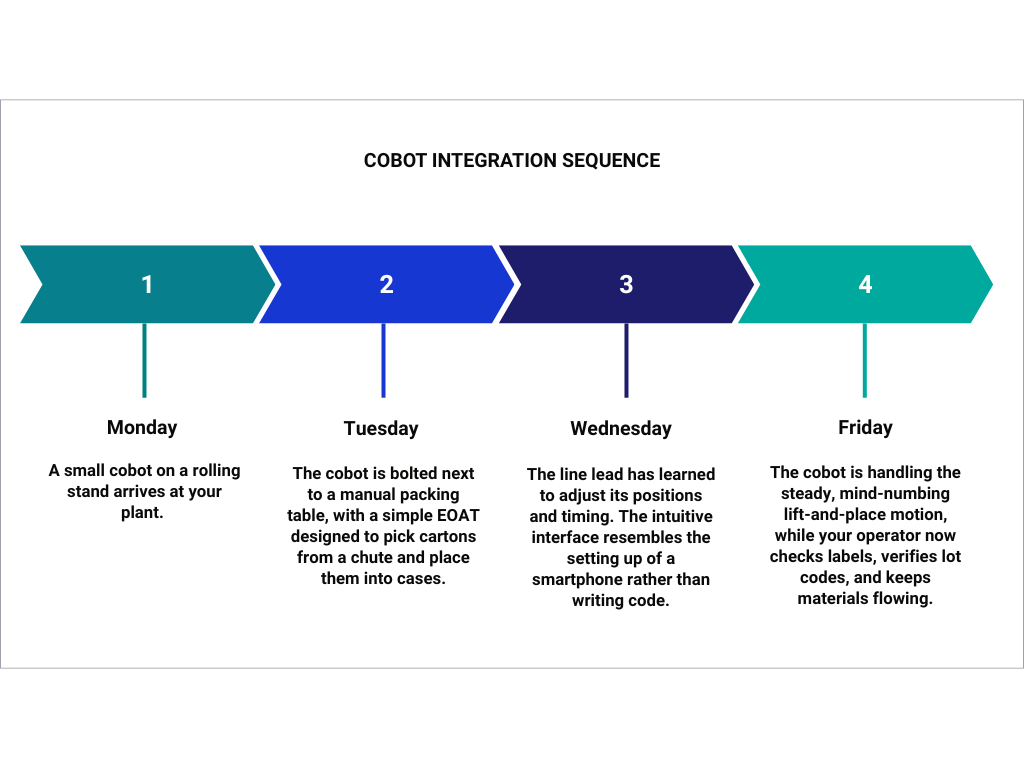
Figure 1. Typical integration stages for a cobot.
Small to mid-sized manufacturers often achieve ROI in 6 to 18 months. Some specific applications, like machine tending or packaging, have seen payback in as little as 195 days (6.5 months).
This is why cobots work financially. You’re not betting on the plant. You’re funding one contained win that creates the room for the next.
Integration Done Right: How to Pick an Automation Contractor Without Getting Oversold
This is the crossroads where many small manufacturers get burned, and many promising projects derail.
Why? Vendors who see a smaller operation either overlook you or see an opportunity for a bloated, one-size-fits-all proposal.
Imagine two quotes on your desk:
One is vague, filled with generic promises and a towering price tag for a complete, inflexible system.
The other is clear, itemized, and starts with a focused solution that addresses your stated bottleneck. It has transparent costs and a roadmap for scalable growth.
Your decision is clear: one is a partner, the other just a salesman.
But you won't always come across such clean-cut differences. So, here’s a simple checklist to keep you grounded:
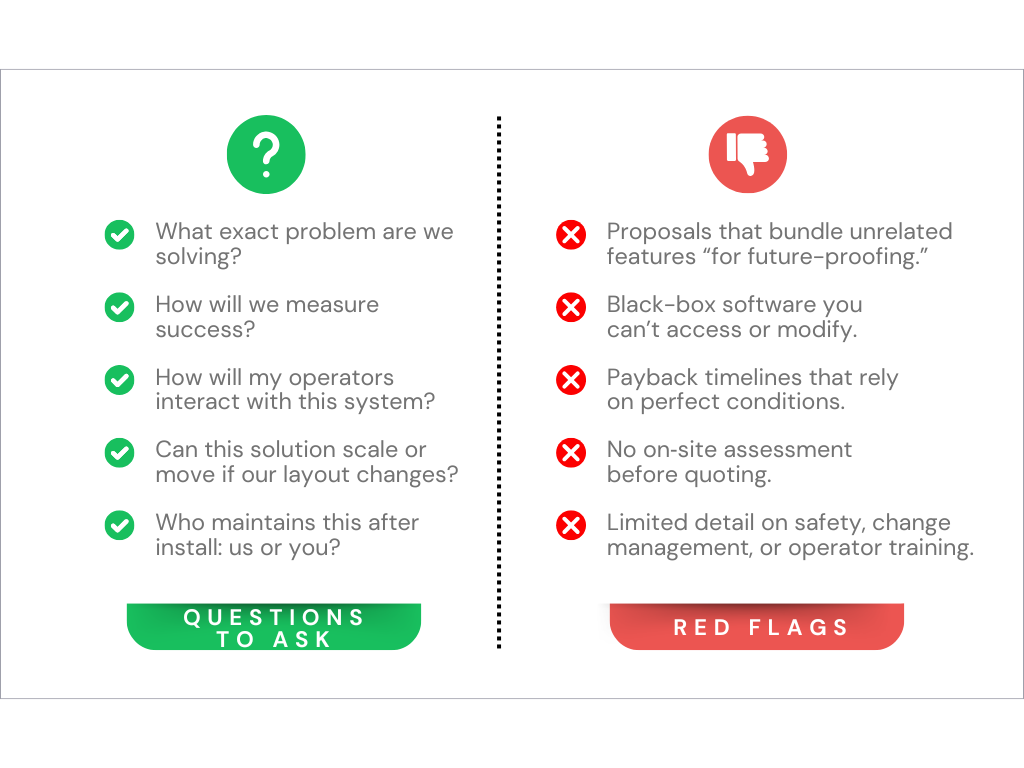
Figure 2. Checklist to select an automation contractor.
A good integrator protects your budget as fiercely as their reputation. Look for transparency, a focus on your specific ROI, and a willingness to start small.
Ready to Take Your First Smart Step?
If you’ve read this far, you’re not looking for a showpiece. You want a plant that runs smoother, with fewer surprises and fewer sore backs.
Verdusco Automation was built for that kind of practical ambition. We design affordable, right-sized solutions that improve productivity and safety, free people from physically straining work, and show a clear path from investment to savings.
We support that journey through:
Low-cost cobot integration for existing and new lines.
Modular industrial automation and control systems that scale one step at a time.
Autonomous mobile robots and carts to remove non-value-added transport.
If you’ve never led an automation project, that’s okay. A first conversation with us is short and focused. Think of the ease of sketching a simple layout together or the clarity of leaving with one page of next steps instead of a thick binder.
Start the conversation using the channel that works for you:
📩: maria@verduscoautomation.com